


Why Won’t My Car Start? Diagnosing Vehicle Start Problems in New London, CT
Few things are more frustrating than getting into your vehicle, turning the key or pressing the start button, and getting no response. When a car will not start, the cause can range from something relatively simple to a more involved mechanical or electrical issue. No matter the reason, a starting problem can quickly disrupt your day and leave you unsure of what to do next.
For drivers in New London, CT, understanding some of the common causes of a no-start condition can help make the situation a little less confusing. In many cases, the symptoms your vehicle shows can offer clues about what is wrong. Still, a proper diagnosis is often the best way to identify the real problem and get your vehicle back on the road safely.
Common Reasons a Car Won't Start
A vehicle needs several systems to work together in order to start properly. The battery must provide power, the starter must crank the engine, the ignition system must function correctly, and the engine must receive fuel. If any one of these parts of the process fails, your car may not start.
Some of the most common causes of a no-start condition include a weak battery, a failing starter motor, alternator problems, ignition issues, fuel delivery problems, or other electrical faults. Because several different issues can create similar symptoms, it is not always easy to tell right away what is causing the problem. That is why paying attention to what happens when you try to start the vehicle can provide helpful information.
Dead or Weak Battery
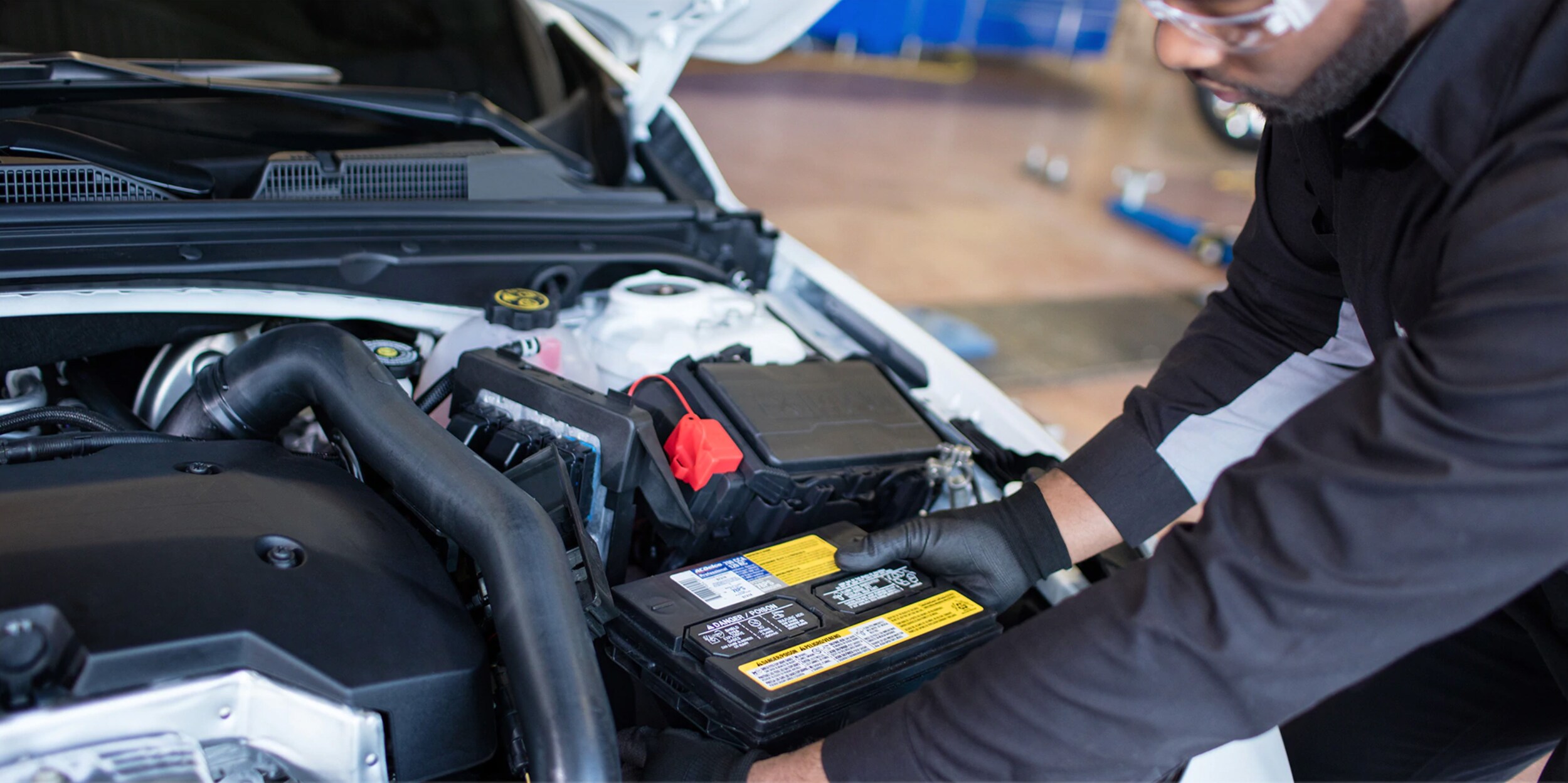
One of the most common reasons a car will not start is a dead or weakened battery. Your battery provides the electrical power needed to start the engine, and if it does not have enough charge, the vehicle may struggle to turn over or may not respond at all.
There are a few signs that may point to a battery issue. You might hear a clicking sound when you try to start the vehicle, notice dim interior lights or headlights, or see that the dashboard lights come on weakly or not at all. In some cases, the car may have power for electronics but still not have enough battery strength to start the engine. Battery problems can happen for many reasons, including age, extreme temperatures, or leaving lights or accessories on when the engine is off.
Bad Starter Motor
If your battery seems to have power but the engine still will not crank, the starter motor could be the problem. The starter is responsible for turning the engine over when you begin the starting process. If it begins to fail, your vehicle may become difficult or impossible to start.
A bad starter can show up in a few different ways. Some drivers hear a single click when turning the key or pressing the start button, while others experience intermittent starting problems that come and go. In some cases, the dashboard lights and accessories may still work normally, but the engine will not crank at all. Because these symptoms can sometimes overlap with battery or electrical issues, professional testing is often the best way to confirm whether the starter motor is to blame. The experts at Colonial Chevrolet can get to the bottom of these and other issues through precise testing that will quickly identify the root culprit.
Alternator Problems
While the alternator is not the part that actually starts your vehicle, it plays an important role in keeping the battery charged. Once the engine is running, the alternator helps supply electrical power and recharge the battery. If the alternator is not working properly, the battery may gradually lose charge until the vehicle eventually will not start.
In some cases, alternator problems show up before the car fails to start completely. Drivers may notice dim headlights, flickering interior lights, warning lights on the dashboard, or other unusual electrical issues. If your battery keeps dying or your vehicle loses power repeatedly, the alternator may be part of the problem. Because the battery and alternator work so closely together, both should be checked when diagnosing a starting issue.
Ignition Switch or Key Fob Issues
Sometimes a vehicle will not start because of a problem with the very system that tells it to start. In older vehicles, that may involve the ignition switch. In newer models, it could be related to the push-button start system, the key fob, or the vehicle's security system.
For example, a weak key fob battery may prevent the vehicle from recognizing the key, even though the mechanical parts of the vehicle are fine. Drivers may also run into issues with worn ignition components or an intermittent push-button start system. In these situations, the problem may seem like a major no-start condition, but the cause may actually be connected to the key or ignition electronics rather than the engine itself.
Fuel System Problems
Your engine needs the right amount of fuel in order to start and run properly. But if that fuel is not reaching the engine the way it should, the vehicle may crank without starting or may fail to start altogether. Problems within the fuel system can interrupt that process and lead to a no-start condition.
Possible causes can include a failing fuel pump, a clogged fuel filter, or other fuel delivery issues that prevent the engine from getting the fuel it needs. In some cases, drivers may hear the engine turn over normally, but it still will not fire up. Because this kind of problem can feel similar to other starting issues, careful inspection is important for identifying whether the fuel system is to blame.
Electrical or Sensor Issues
Modern vehicles rely on a wide range of electrical components and sensors to start and operate correctly. If there is a problem with wiring, a blown fuse, a corroded connection, or a faulty sensor, the starting process may be interrupted. These issues can sometimes be more difficult to spot because they are not always as obvious as a dead battery or a failed starter.
Electrical and sensor-related problems may cause intermittent no-start conditions, warning lights, or unusual behavior from the dashboard and electronics. In some cases, the vehicle may not respond at all. Because these systems are interconnected, proper testing is often needed to locate the exact source of the problem and avoid replacing parts unnecessarily.
What the Symptoms May Be Telling You
The way your vehicle behaves when you try to start it can offer useful clues about what may be wrong. For example, if you hear clicking but the engine does not start, that may point to a weak battery or a starter problem. If the engine cranks but does not fire up, the issue could be related to fuel delivery, ignition, or another system that helps the engine run.
If there is no sound at all when you turn the key or press the start button, the problem may involve the battery, ignition switch, key fob, or an electrical fault. Intermittent starting problems can also be important to note, since they may suggest a failing starter, loose connection, or another issue that is getting worse over time. Dim or flickering dash lights can be another sign that the battery, alternator, or electrical system needs attention.
Always start with the symptoms, then bring your vehicle to the trusted experts at Colonial Chevrolet to diagnose the problem.

Why Professional Diagnostics Matter
Many starting problems can seem similar at first. A dead battery, a bad starter, an alternator issue, an ignition fault, or a fuel system problem may all leave you with a vehicle that will not start, but the correct repair depends on identifying the real cause. That is why professional diagnostics are so important.
A proper diagnostic process can help avoid guesswork and prevent unnecessary parts from being replaced. Instead of trying one repair after another, expert technicians can inspect the vehicle, test the relevant systems, and pinpoint what is causing the no-start condition. That saves time, reduces frustration, and helps ensure that the problem is addressed correctly.
Schedule a Vehicle Diagnostic Service at Colonial Chevrolet
If your vehicle will not start or has been showing signs of a starting problem, the experienced professionals at Colonial Chevrolet in New London, CT can help. An inspection by one of our experts can evaluate the battery, starter, alternator, ignition system, fuel delivery, and other electrical components to determine what is preventing the vehicle from starting properly.
Because modern vehicles rely on complex systems, having the issue diagnosed by experienced technicians can make a major difference. Whether the problem is straightforward or more difficult to identify, accurate testing can help get your vehicle back on the road with the right repair. If your car has trouble starting or will not start at all, schedule diagnostic service at Colonial Chevrolet in New London, CT. The team can help identify the cause, recommend the necessary repairs, and get you back behind the wheel with greater confidence.