

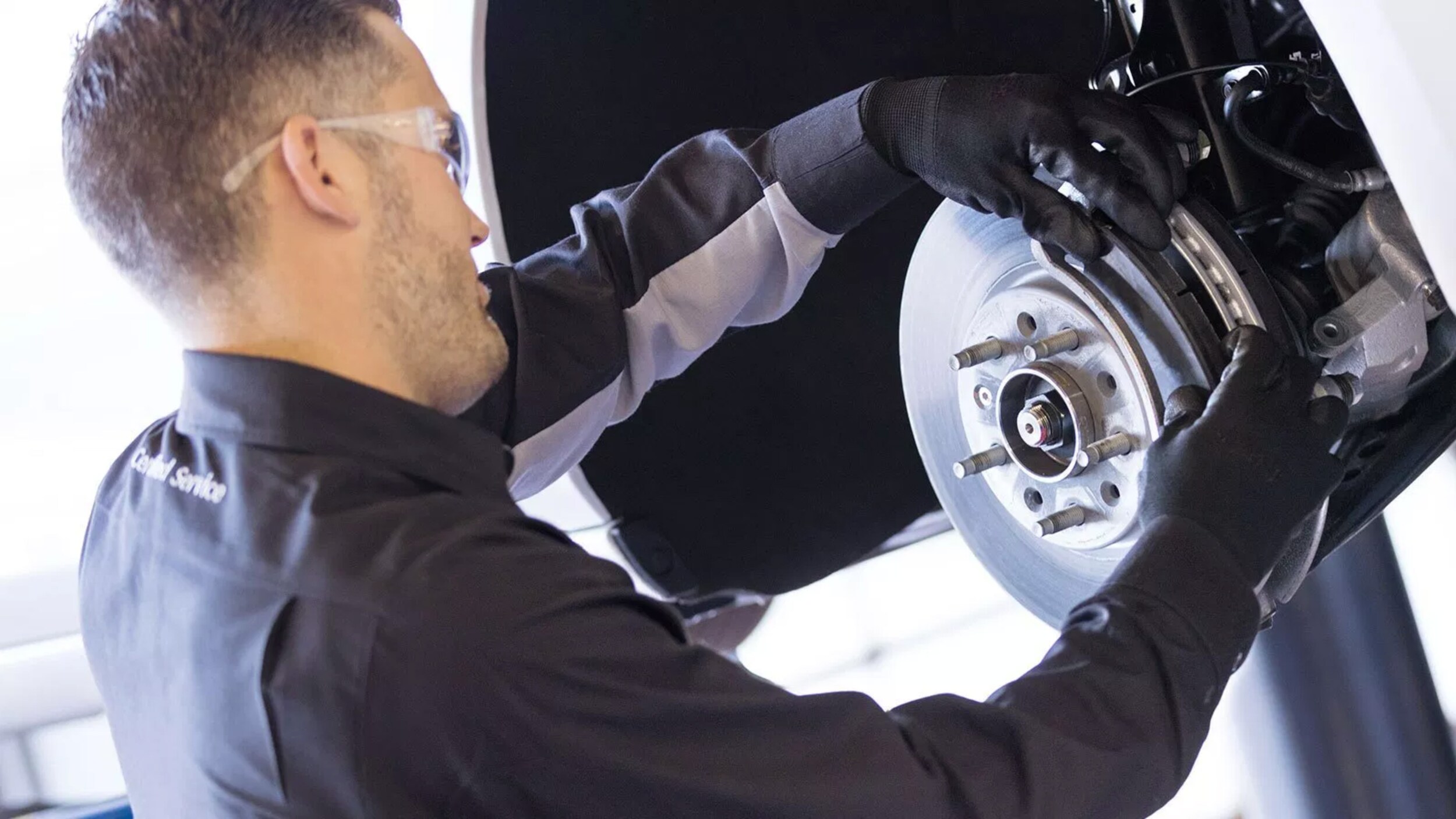
How Long Do Chevy Brake Pads Last? Signs It’s Time for a Replacement
Your Chevrolet's brakes are among its most important safety systems, and brake pads are designed to wear down gradually as they do their job. That means replacing them is a normal part of vehicle ownership, but exactly when you'll need new brake pads depends on how and where you drive.
Chevy brake pads may provide around 40,000 to 60,000 miles of service under average driving conditions. Under severe conditions, such as frequent stop-and-go traffic or heavy braking, pad life may be closer to 20,000 to 25,000 miles.
Mileage alone shouldn't determine when you replace your brakes, though. Understanding the signs of brake pad wear can help you know when it's time to schedule an inspection.
Signs Your Chevy May Need New Brake Pads
Your brakes will often give you clues when service is needed. If you notice any of the following symptoms, schedule a brake inspection rather than simply waiting until your vehicle reaches a particular mileage.
1. Squealing, Chirping or Whistling Sounds
Brake pads may have built-in wear indicators designed to make noise when the friction material is nearly worn out. When these indicators contact the brake rotors, you may hear a chirping, squealing or whistling sound. If you hear this type of noise, it's a good idea to have your brakes checked promptly.
2. Grinding When You Brake
Grinding is a more serious warning sign. Grinding can indicate that brake components are significantly worn and need immediate attention.
Continuing to drive with severely worn brake pads can affect braking performance and potentially lead to additional brake-system damage. If your Chevy makes a grinding sound when you brake, schedule an inspection as soon as possible.
3. Your Chevy Takes Longer to Stop
You know how your vehicle normally responds when you press the brake pedal. If it suddenly seems to require more distance to stop, don't ignore the change. Longer-than-normal stopping distances are one indication that your braking system should be inspected.
4. The Brake Pedal Feels Different
Changes in the way the brake pedal feels can also indicate a problem.
You may notice that:
- The pedal feels unusually soft or spongy
- The pedal travels farther than it normally does
- The pedal vibrates or pulsates when braking
These symptoms aren't necessarily caused by the brake pads alone. Rotors and other components can also affect brake feel. That's why an inspection is important for identifying the source of the problem before replacing parts.
5. Your Vehicle Pulls While Braking
If the vehicle begins pulling noticeably to the left or right when you apply the brakes, the braking system should be inspected. Uneven brake wear or other brake-system problems can interfere with consistent braking performance.
6. Your Brake Pad Life Monitor Says Service Is Needed
Some Chevy vehicles make monitoring brake wear even easier with a Brake Pad Life Monitor.
The system uses vehicle information and sensors to estimate brake pad wear based in part on your driving habits. When the system determines that the pads need replacement, it can display a message showing the estimated mileage remaining.
Schedule Chevy Brake Service at Colonial Chevrolet
If your Chevy is squealing, grinding, taking longer to stop or simply approaching the mileage when brake service commonly becomes necessary, don't wait for the problem to get worse. Visit Colonial Chevrolet for professional Chevy brake service. Our service team can inspect your brake pads, rotors, calipers and other braking-system components, identify what your vehicle needs and replace worn parts with components designed for your Chevrolet. Schedule your service appointment with Colonial Chevrolet today and keep your Chevy ready to stop confidently mile after mile.